

A WordPress website is not a “set it and forget it” platform. Once your site goes live, regular maintenance becomes essential to keep it secure, fast, and running smoothly. Many beginners overlook this step, which often leads to slow performance, security vulnerabilities, broken features, or even complete website downtime. That’s where a WordPress Website Maintenance Checklist becomes invaluable.
This beginner-friendly checklist is designed to help you understand what tasks to perform, why they matter, and how often they should be done without needing advanced technical skills. From updating themes and plugins to taking backups, monitoring security, and improving performance, following a structured maintenance routine ensures your website stays healthy and reliable.
Whether you run a personal blog, a business website, or a WooCommerce store, this WordPress Website Maintenance Checklist for beginners will help you avoid common mistakes, protect your site from threats, and deliver a better experience to your visitors. By following these essential steps regularly, you can maintain a secure, optimized, and ready-to-grow WordPress website.
What is WordPress Website Maintenance?
WordPress website maintenance is the ongoing process of regularly checking, updating, and optimizing a WordPress site to ensure it remains secure, fast, error-free, and runs smoothly. It is not a one-time task but a routine activity that ensures your website continues to perform well after it goes live.
WordPress maintenance involves essential tasks such as updating the WordPress core, WordPress website themes, and plugins, taking regular backups, monitoring security threats, improving website speed, fixing broken links or errors, and ensuring all website features work correctly. Regular maintenance helps keep your themes compatible with the latest WordPress versions and prevents common issues like hacking, slow loading times, website crashes, and poor search engine rankings. By maintaining your WordPress website properly, you ensure a secure, fast, and reliable experience for visitors while preserving design consistency, functionality, and long-term performance across all devices.
For beginners, WordPress website maintenance Checklist is especially important because even small issues, if ignored, can grow into serious problems. Regular maintenance helps protect your website from vulnerabilities, improves user experience, supports better SEO performance, and ensures long-term website stability. In simple terms, WordPress website maintenance is about keeping your website healthy, safe, and ready to grow.
Why follow the WordPress Website Maintenance Checklist?
Following a WordPress Website Maintenance Checklist helps ensure your website stays secure, fast, reliable, and up to date. For beginners, especially, a checklist provides a clear structure, so no critical task is missed. Here’s why it’s important:
1. Improves Website Security: Regular maintenance helps protect your site from malware, hacking attempts, and vulnerabilities. Updating WordPress core, themes, and plugins closes security loopholes that attackers often exploit.
2. Keeps Your Website Fast and Performant: Maintenance tasks like database cleanup, image optimisation, and performance checks prevent your site from becoming slow. A faster website improves user experience and reduces bounce rates.
3. Prevents Website Errors and Downtime: Routine checks help identify issues early such as broken links, plugin conflicts, or server errors - before they cause major problems or website downtime.
4. Supports Better SEO Rankings: Search engines prefer websites that are secure, fast, and error-free. Following a maintenance checklist helps maintain proper indexing, fix broken links, and ensure SEO elements stay optimized.
5. Makes Website Management Easier for Beginners: A checklist breaks maintenance into simple, manageable steps. Beginners don’t need advanced technical knowledge just follow the routine to keep the site healthy.
6. Protects Your Website Data with Regular Backups: Regular backups ensure that your content, files, and database are safe. If something goes wrong, you can restore your website quickly without data loss.
7. Ensures Long-Term Website Growth: Consistent maintenance helps your website stay stable as traffic grows, new content is added, and features expand, supporting long-term success.
WordPress Website Maintenance Checklist
Keeping up with the WordPress Website Maintenance Checklist is just as important as building it. Regular maintenance keeps your site secure, fast, error-free, and SEO-friendly. For beginners, website maintenance may sound technical, but once you follow a simple checklist, it becomes easy and manageable.
1. Regular Backups
Why it's important: Backups protect your site from data loss due to hacks, server crashes, or accidental changes. Without them, recovering from issues can be impossible.

How to do it:
- Install a backup plugin like UpdraftPlus or BackupBuddy (free versions available).
- In your WordPress dashboard, go to Plugins > Add New, search for the plugin, install and activate it.
- Configure automatic WordPress backup to store files on cloud services like Google Drive or Dropbox.
- Test a restore once a month to ensure backups work.
2. Update WordPress Core, Themes, and Plugins
Why it's important: Updates fix security vulnerabilities, add features, and improve compatibility. Outdated software is a top reason for hacks.
How to do it:
- Log in to your WordPress dashboard.
- Check for updates under Dashboard > Updates. You'll see notifications for core WordPress, themes, and plugins.
- Click "Update Now" for each. Do this immediately after releases, but test your site afterwards for issues.
- If an update breaks something, use a staging site (many hosts provide this) to test first.
3. Security Checks and Enhancements
Why it's important: WordPress sites are common targets for malware and brute-force attacks. Proactive security reduces risks.

How to do it:
- Change default passwords: Use strong, unique ones via Users > Profile.
- Install a security plugin like Wordfence or Sucuri. Scan for malware weekly.
- Enable two-factor authentication (2FA) for admin accounts using plugins like Google Authenticator.
- Monitor login attempts and block suspicious IPs.
- Regularly check for suspicious files via FTP or your host's file manager.
4. Performance Optimisation
Why it's important: Slow sites frustrate visitors and hurt search rankings. Optimisation ensures fast loading times.

How to do it:
- Optimise images: Use plugins like Smush or TinyPNG to compress images before uploading. Resize large files to under 1MB.
- Enable caching: Install Best WordPress cache plugins Like WP Super Cache or W3 Total Cache to store static versions of pages, reducing server load.
- Check page speed with tools like Google PageSpeed Insights or GTmetrix. Aim for scores above 80.
- Limit plugins: Deactivate and delete unused ones.
- Use a content delivery network like Cloudflare for faster global loading.
5. Content and Link Management
Why it's important: Broken links or outdated content harm user experience and SEO. Fresh content keeps visitors engaged.
How to do it:
- Check for broken links using plugins like Broken Link Checker. Fix or remove them.
- Update old posts: Review content monthly for relevance, add new info, or refresh images.
- Monitor comments: Moderate spam with plugins like Akismet and delete irrelevant ones.
- Ensure mobile responsiveness: Preview your site on different devices via Tools > Site Health.
6. Database and File Cleanup
Why it's important: Over time, databases accumulate junk (e.g., spam comments, revisions), slowing down your site.

How to do it:
- Optimise the database: Use plugins like WP-Optimize to clean up revisions, spam, and transients.
- Delete unused media: Go to Media > Library, sort by unused, and remove old files.
- Check for large files: Use your host's file manager or plugins to identify and compress bloated assets.
7. Monitoring and Uptime Checks
Why it's important: Downtime can cost traffic and revenue. Monitoring catches issues early.

How to do it:
- Use uptime monitoring tools like UptimeRobot or Pingdom to get alerts if your site goes down.
- Check error logs: In your hosting dashboard, review logs for 404 errors or PHP issues.
- Run site health checks: Go to Tools > Site Health in WordPress for automated diagnostics.
8. SEO and Analytics Basics
Why it's important: WordPress Website Maintenance Checklist includes ensuring your site ranks well and tracks performance.

How to do it:
- Install Google Analytics or Search Console via plugins like MonsterInsights.
- Check for SEO issues: Use tools like Yoast SEO to optimize titles, meta descriptions, and keywords.
- Submit sitemaps: Ensure your XML sitemap is updated and submitted to search engines.
Essential Tools for WordPress Website Maintenance
Maintaining a WordPress website is essentially about four pillars: Security, Backups, Performance, and Management. In 2025, the best approach is to automate as much as possible to prevent human error.
Here are the essential tools categorized by their role in your maintenance strategy.
1. Security & Protection
Security is the most critical part of maintenance. You need a tool that provides a firewall and regular malware scanning.
- Wordfence Security: The industry standard for an endpoint firewall and malware scanner. It blocks brute-force attacks and alerts you if files are changed.
- Sucuri Security: Excellent for cloud-based protection and expert malware cleanup.
- Akismet Anti-Spam: Essential for automatically filtering out spam comments that can clutter your database and hurt SEO.
2. Automated Backups

Never rely solely on your host for backups. You need a separate, off-site copy of your site.
- UpdraftPlus: The most popular choice for scheduled backups to Google Drive, Dropbox, or Amazon S3. It allows for one-click restoration.
- Jetpack VaultPress Backup: Ideal for eCommerce sites because it offers real-time backups. Every time you make a sale or a post, it saves a copy instantly.
- Duplicator: Best for manual backups and migrating your site to a new host or staging environment.
3. Performance & Optimisation
A slow site loses visitors and ranks lower on Google. These tools keep the "engine" running fast.
- WP Rocket: Widely considered the best caching plugin. It handles page caching, code magnification, and database optimization in one package.
- Imagify or Smush: Automatically compresses images as you upload them so they don't slow down your page load speeds.
- Broken Link Checker: Scans your posts for 404 errors (broken links), which can frustrate users and hurt your SEO.
4. Centralised Site Management
If you manage more than one website, logging into each one individually is inefficient.
- ManageWP: A single dashboard where you can update plugins, run backups, and check security for all your sites at once.
- MainWP: A self-hosted alternative to ManageWP for those who want total privacy and control over their management data.
Conclusion
A regular WordPress website maintenance checklist is not just a technical task; it is a smart habit every beginner must develop to keep their website secure, fast, and reliable. By consistently following a proper maintenance checklist, you can prevent security threats, avoid unexpected errors, improve website performance, and ensure a smooth user experience.
From updating WordPress core, themes, and plugins to taking regular backups, monitoring site performance, and checking for broken links, each step plays a crucial role in your website’s long-term success. Small, routine maintenance efforts help you avoid major issues, save time and money, and keep your site running efficiently.
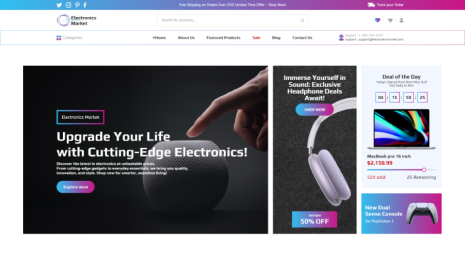
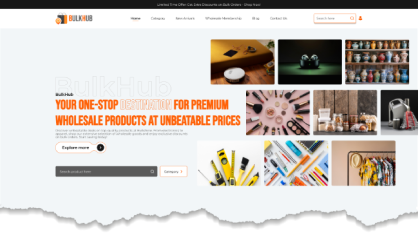
In short, a well-maintained WordPress website builds trust, improves SEO rankings, and supports consistent long-term growth. Beginners who follow a structured maintenance checklist can manage their websites more confidently and keep them future-ready. To make maintenance easier and more efficient, you can buy the WordPress Theme Bundle, which offers regularly updated, secure, and performance-optimized themes under one package. By investing in the Premium WordPress Themes
you ensure better compatibility, smoother updates, and a professional website foundation that delivers improved performance, stronger security, and measurable results over time.
Frequently Asked Questions
1. Why is a WordPress maintenance checklist important for beginners?
It helps beginners stay organized and avoid missing critical tasks like updates, backups, and security checks, preventing performance issues and website downtime.
2. How often should I back up my WordPress website?
Backups should be done regularly based on content updates. Automated daily or weekly backups using plugins like UpdraftPlus are recommended, with monthly restore tests.
3. Will updating my themes and plugins break my website?
Updates are important but may cause conflicts. Always check your site after updates or test them on a staging site first.
4. How can I improve my website's loading speed without technical skills?
Optimize images, enable caching, and clean your database using beginner-friendly plugins like Smush, WP Rocket, and WP-Optimize.
5. What are the best tools for securing a WordPress site?
Top security tools include Wordfence, Sucuri, and Akismet. Using strong passwords and enabling two-factor authentication also improves protection.
6. Does website maintenance affect my Google search rankings (SEO)?
Yes. Regular maintenance improves site speed, security, and usability key factors that help boost SEO and search rankings.
Blogs Categories
Podcast WordPress Theme (Audio Podcast 2.0)

Latest WordPress Themes
















Buy All our Premium Themes just at $99
