

Search engine optimization continues to be the backbone of online success, and in 2026, Shopify store owners must stay sharper than ever to remain competitive. With evolving Google algorithms, AI-driven search, and increasing competition across every niche, simply having a well-designed Shopify store is no longer enough. You need a powerful SEO strategy that drives organic traffic, attracts high-intent buyers, and converts visits into consistent sales. This approach works best when combined with conversion-focused shopify store designs that support fast loading, clear navigation, and search engine friendly structure.
Whether you are launching a new Shopify store or scaling an existing one, optimizing your site for search engines can directly impact your visibility, revenue, and brand credibility. In this blog, we will explore the 10 best SEO tips for Shopify in 2026 that are proven to improve search rankings, enhance user experience, and boost conversions. These practical, up-to-date strategies will help you stay ahead of trends and grow your Shopify business sustainably in the year ahead.
10 Best SEO Tips for Shopify
Here are 10 top SEO tips for Shopify that are actionable, results-oriented, and designed to keep your store ahead of 2026’s search engine trends. Each tip is fully aligned with the latest search engine trends of 2026, ensuring your store stays ahead of the competition while delivering a seamless experience to both users and AI-driven search platforms.
1. Build a Strong SEO-Friendly Shopify Store Structure
Your store’s structure is the backbone of your entire SEO strategy. A well-organized Shopify site helps search engines crawl your pages efficiently while also making navigation easier for users. If your store structure is confusing, slow, or cluttered with unnecessary URLs, your SEO performance will suffer no matter how good your products are.
A clean site structure ensures that important pages like collections, categories, and best-selling products receive maximum authority from search engines. Shopify already provides a solid base structure, but it still requires careful optimization.
A strong Shopify SEO structure should focus on:
- Clean, readable URLs without random characters
- Proper category → sub-category → product hierarchy
- Limiting unnecessary tag and filter URLs
- Logical internal linking between related products and collections
- Avoiding duplicate pages created by multiple navigation paths
When your site structure is optimized, search engine bots can discover, index, and rank your pages faster. At the same time, users can find products quickly, which reduces bounce rate and improves engagement both of which send strong positive signals to Google. Among all SEO tips for Shopify, structure optimization is one of the most foundational and impactful.
2. Smart Keyword Research for High-Intent Shopify Traffic

Keyword research is the foundation of every successful Shopify SEO strategy. Without targeting the right keywords, even the most beautifully designed store will struggle to attract buyers. In 2026, keyword research goes beyond simple short-tail phrases and focuses more on search intent, buyer behavior, and long-tail opportunities.
The goal is not just to rank, but to rank for keywords that convert into real sales. This requires understanding what your customers search for at each stage of the buying journey awareness, comparison, and purchase. By using reliable keyword research tools, you can identify search intent, uncover high-converting opportunities, and prioritize keywords that attract qualified traffic and drive meaningful business results.
Key keyword strategies for Shopify include:
- Targeting product-focused keywords with buying intent
- Using long-tail keywords for niche products
- Optimizing collection pages for category-level searches
- Adding informational blog keywords for top-of-funnel traffic
- Using competitor analysis to uncover hidden opportunities
For example, instead of targeting only “jewellery,” you should target “handmade silver jewellery for women,” “bridal gold necklace set,” or “daily wear minimal jewellery.” These long-tail phrases are easier to rank for and convert far better.
Effective keyword research ensures that every product page, blog, and collection works together to drive qualified organic visitors. Without this step, your Shopify SEO efforts remain directionless, making keyword research one of the most important SEO tips for Shopify.
3. Optimize Product Pages for Maximum SEO & Conversions

Product pages are the real money-making assets of your Shopify store. If your product pages are not properly optimized, you will struggle to rank even if your overall site SEO is strong. Each product page must be treated as an individual SEO opportunity.
An SEO-optimized product page balances search visibility with user persuasion. Search engines evaluate relevance, content quality, page experience, and engagement, while customers look for clarity, trust, and value. By focusing on both aspects, you can improve your product page, attract qualified traffic, and convert visitors into confident buyers.
A properly optimized Shopify product page should include:
- A keyword-rich and compelling product title
- A persuasive meta description that increases click-through rate
- SEO-friendly product URL
- Detailed product descriptions (not copied from manufacturers)
- High-quality optimized images with correct alt text
- Product schema for rich snippets like price, rating, and availability
- Internal links to related products and collections
Avoid thin descriptions like “Best quality dress at affordable price.” Instead, explain fabric details, usage, care instructions, sizing, benefits, and styling tips. Longer, informative product descriptions not only improve rankings but also reduce returns and increase conversions.
Among all SEO tips for Shopify, product page optimization delivers the most direct impact on both traffic and revenue.
4. Leverage LLMs Text Along with SEO
One of the most powerful SEO tips for Shopify in 2026 is leveraging LLM-generated content and AI-driven search optimization. Large Language Models (LLMs) like ChatGPT, Gemini, Claude, Perplexity, and Grok are shaping the future of how users discover products and content online. Unlike traditional search engines, these AI systems rely on structured, crawlable data to understand and showcase your store’s offerings in conversational searches and AI shopping engines.
This is where the one-click llms.txt generator comes in. It allows Shopify store owners to sky-rocket SEO and AI visibility in seconds by auto-creating, hosting, and refreshing a /llms.txt file. Think of it as a combination of robots.txt and sitemap.xml but built specifically for AI search engines. With this file, LLMs can crawl, index, and display your products, collections, blogs, and pages efficiently, giving your store an edge in AI-driven search results, Google Answers, and other next-gen AI platforms.
Two excellent Shopify apps help you implement this seamlessly:
- Arc: llms.txt – Automatically generates and manages your /llms.txt file, ensuring your content is always AI-crawlable and updated.
- SEO On: AEO Optimizer llms.txt – Optimizes your Shopify content for AI search, improving indexing and visibility across conversational AI engines.
Integrating these tools is a modern, strategic step for any Shopify store. By using LLMs text with proper SEO practices, you ensure your products and content are discoverable not just by Google, but also by the AI-driven shoppers of tomorrow.
5. Improve Site Speed & Core Web Vitals for Shopify SEO
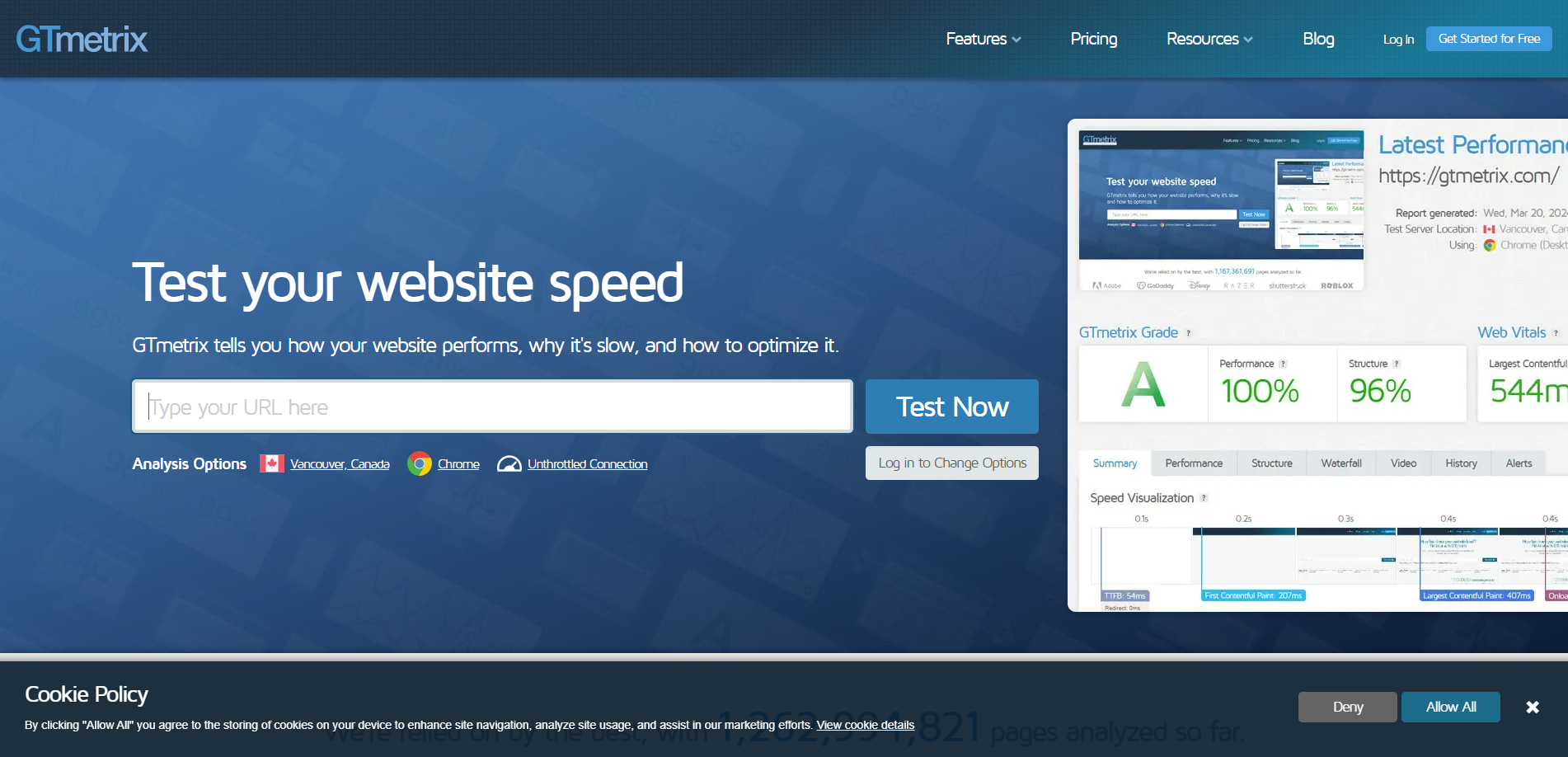
Another most important SEO tips for Shopify in 2026 is to focus on site speed and Core Web Vitals. Google has made it clear that page experience is a critical ranking factor, and slow-loading websites not only frustrate users but also negatively impact search engine rankings. Shopify store owners must prioritize optimizing both performance and user experience to ensure visitors stay longer, engage with products, and complete purchases.
Core Web Vitals measure real user experience in three key areas:
- Largest Contentful Paint (LCP): How quickly the main content loads
- First Input Delay (FID): How fast the page becomes interactive
- Cumulative Layout Shift (CLS): How stable the layout is as the page loads
To optimize these metrics, Shopify stores should:
- Compress and resize images using next-gen formats like WebP
- Implement lazy loading for off-screen images and videos
- Minimize the use of heavy apps and unnecessary scripts
- Use a lightweight, SEO-friendly Shopify theme with clean code
- Enable browser caching and leverage a Content Delivery Network (CDN)
- Reduce third-party tracking scripts that slow down load times
A fast-loading, responsive store not only improves rankings but also boosts conversions, as customers are more likely to stay and purchase when pages load instantly. Improving site speed and Core Web Vitals is a foundational element of SEO tips for Shopify, ensuring both search engines and users have a seamless experience.
6. Choose a Good SEO-Friendly Shopify Theme
Your Shopify theme directly affects SEO, speed, user experience, and mobile performance. A poorly coded theme can slow down your website, break structured data, and hurt your rankings no matter how good your content is.
A good SEO-friendly Shopify theme should offer:
- Clean and lightweight code that ensures fast page rendering and easy crawlability.
- Mobile-first responsive design for seamless performance on smartphones and tablets.
- Fast loading structure to reduce bounce rates and improve Core Web Vitals.
- Proper heading hierarchy (H1, H2, H3) for content clarity and SEO.
- Schema integration to enable rich snippets and better search result visibility.
- Optimized navigation and filtering for enhanced user experience and discoverability.
Vowel Web Offers 6 Premium SEO-Optimized Shopify Themes:
- Adorn Beauty Shopify Theme: Perfect for cosmetics, skincare, salons, and wellness brands. Designed with clean layouts, fast performance, and visually appealing product displays that support SEO and conversions.
- Choice Luxury Shopify Theme: Ideal for high-end fashion, premium accessories, and lifestyle brands. This theme emphasizes brand identity, storytelling, and SEO-friendly structure for luxury shoppers.
- Closet Fashion Shopify Theme: A powerful theme for clothing, apparel, and trend-based fashion stores. Built with speed optimization, mobile responsiveness, and structured collection layouts for ranking higher in fashion searches.
- Precious Jewellery Shopify Theme: Designed for jewellery brands, precious stones, bridal collections, and luxury accessories. It supports rich product display, structured data, and SEO-optimized product layouts.
- Ace Activewear Shopify Theme: Perfect for sportswear, fitness apparel, gym brands, and athleisure. Built with performance, fast loading, and conversion-focused design for competitive niches.
- Flaunt – Clothing Shopify Theme: Best for modern clothing brands and trend-focused stores looking for high engagement, fast navigation, and SEO-ready layouts.
Choosing the right SEO-friendly theme is a major long-term investment and one of the most practical SEO tips for Shopify for sustainable growth.
7. Optimize Shopify for Mobile SEO & User Experience
In 2026, optimizing your Shopify store for mobile devices has become an essential part of any Strong SEO strategy. More than 70% of Shopify traffic now comes from mobile users, and Google has fully adopted mobile-first indexing, which means the mobile version of your store is considered the primary version for ranking. This makes mobile performance a critical factor in determining search visibility. Even if your desktop site looks flawless, a poorly performing mobile version can severely hurt your SEO, reduce engagement, and lower conversion rates.
Mobile optimization focuses not only on technical performance but also on user experience. A smooth, responsive mobile experience ensures that visitors can navigate your store effortlessly, find products quickly, and complete purchases without frustration. Shopify store owners should focus on key mobile optimization elements, including:
- Touch-friendly navigation: Buttons and menus should be easy to tap on small screens, reducing accidental clicks.
- Fast mobile page load: Compressed images, minimized scripts, and lightweight themes improve loading speed, which directly affects SEO.
- Simple checkout flow: Streamlined mobile checkout reduces cart abandonment and improves conversion rates.
- Readable fonts and spacing: Clear typography enhances readability and user comfort on smaller screens.
- Mobile-optimized product images: Images should load quickly without losing quality.
- Easy filtering and search: Efficient filtering and search options help users find products quickly, improving dwell time.
Mobile user experience directly impacts key SEO metrics such as engagement, dwell time, and conversion rates. Among all SEO tips for Shopify, ensuring that your store is fully optimized for mobile devices is now indispensable for maintaining search rankings, enhancing user satisfaction, and driving consistent revenue growth.
8. Technical SEO Setup for Shopify
Technical SEO factors ensures that your Shopify store can be crawled, indexed, and ranked efficiently. Even if your content and keywords are perfect, poor technical SEO can block search engine access entirely.
Key technical SEO factors every Shopify store should implement include:
- Proper XML Sitemap Submission: Ensures search engines can discover all important pages of your store quickly and efficiently.
- Clean robots.txt Configuration: Guides search engines on which pages to crawl and which to ignore, preventing accidental indexing of duplicate or low-value content.
- Canonical URL Handling for Duplicate Pages: Avoids penalties caused by multiple URLs pointing to the same content, consolidating ranking signals to a single preferred URL.
- Structured Data Implementation: Enables rich snippets in search results, enhancing visibility with ratings, prices, and product availability.
- HTTPS Security: Provides a secure connection for users, which is also a confirmed ranking factor.
- Proper Redirection Setup: Maintains link equity during URL changes or page removals, preventing 404 errors.
While Shopify automatically manages many technical SEO elements, store owners must actively monitor for crawl errors, broken links, and indexing issues using tools like Google Search Console. Regular technical audits ensure smooth site performance, improved crawl efficiency, and long-term search visibility, making this one of the most protective and essential SEO tips for Shopify.
9. Content Marketing & Blogging for Long-Term Shopify SEO Growth
Content marketing and blogging remain one of the most effective yet underutilized SEO tips for Shopify stores, offering a long-term strategy to drive organic traffic and build brand authority. A well-maintained blog allows Shopify store owners to target informational keywords that attract potential customers in the early stages of their buying journey. Unlike product pages that focus solely on transactional searches, blogs educate users, answer their queries, and provide valuable information that guides purchasing decisions. By addressing common customer questions, comparing products, and offering insights into trends, blogging establishes your store as a trusted authority in your niche. Shopify blogs allow you to:
- Educate customers about products, services, and industry insights
- Answer buying questions that influence decision-making
- Target comparison keywords that help users evaluate options
- Drive internal links to products, improving SEO flow and conversions
- Build topical authority for both informational and transactional content
The types of content that work best for Shopify SEO include:
- Detailed buying guides that assist users in making informed purchases
- Product comparisons highlighting benefits, features, and value
- How-to tutorials that demonstrate product use and applications
- Trend-based content that keeps the store relevant and visible
- Seasonal shopping guides that capitalize on peak buying periods
When combined with LLM-assisted drafting tools and careful manual SEO refinement, blogging becomes a scalable and consistent traffic engine. Over time, this content strengthens domain authority, improves search rankings for product pages, and ensures long-term visibility. Among all SEO tips for Shopify, content marketing delivers the most compounding and sustainable results.
10. Backlink Building & Brand Authority for Shopify SEO
Among the most powerful SEO tips for Shopify, building backlinks and establishing brand authority stand out as crucial for long-term success. Backlinks act as endorsements from other websites, signaling to search engines that your Shopify store is trustworthy, credible, and valuable. Google treats high-quality backlinks as one of its strongest ranking factors, which highlights the importance of backlinks in improving search visibility and rankings. The more authoritative and relevant links you earn, the higher your pages are likely to appear in search results. However, not all backlinks are equal links from spammy or low-quality sites can damage your rankings. This is why focusing on relevant, niche-specific, and trustworthy sources is essential for sustainable SEO growth.
Effective strategies to build a strong backlink profile for Shopify include:
- Guest posting on niche blogs – Contribute valuable content to industry-relevant blogs to earn natural links.
- Influencer collaborations – Partner with influencers for mentions, reviews, or features that link back to your store.
- Product reviews and unboxing content – Encourage bloggers and content creators to review your products.
- Digital PR campaigns – Share press releases, news, and announcements to gain authoritative media coverage.
- Directory listings for local brands – List your Shopify store in credible local or industry directories.
- Brand mentions and partnerships – Collaborate with other businesses for co-branded content or mentions.
A robust backlink strategy not only improves search rankings but also strengthens your brand authority, builds trust with customers, and helps your Shopify store outperform competitors. When implemented thoughtfully, this remains one of the most advanced yet highly effective SEO tips for Shopify.
Conclusion
Implementing the right SEO strategies is essential for driving traffic, improving visibility, and boosting sales on your Shopify store in 2026. We have explored 10 powerful SEO tips for Shopify, including optimizing your site structure, performing smart keyword research, enhancing product pages, leveraging LLM-generated content, improving site speed, focusing on mobile SEO, using technical SEO best practices, building backlinks, creating content, and establishing brand authority. Each of these steps plays a critical role in helping your store rank higher on search engines and attract the right audience.
To maximize your SEO results, consider using premium SEO-friendly Shopify themes by Vowel Web, such as Adorn, Choice, Closet, Precious, Ace, and Flaunt. These themes are designed for speed, mobile responsiveness, and search optimization, providing the perfect foundation to implement these SEO strategies effectively.
Blogs Categories
Podcast WordPress Theme (Audio Podcast 2.0)

Latest WordPress Themes













Buy All our Premium Themes just at $99
