

A well-designed online store isn’t just about listing products; it’s about creating a smooth shopping experience that guides visitors toward making a purchase. Customizing your WooCommerce shop page allows you to control how products are displayed, how customers interact with them, and how easily they can find what they need. Instead of relying on a default layout, you can tailor the design, structure, and features to match your brand, product type, and audience expectations. From improving navigation and highlighting special offers to showcasing important product details, even small adjustments can make a big difference in usability and conversions.
In this guide, you’ll learn practical ways to modify your shop layout using built-in settings, visual editors, plugins, and advanced customization methods so your store works exactly the way you want it to.
Why Create a Custom WooCommerce Shop Page?
Let’s explore why customizing your Shop page can be a smart move.
1. Help Customers Find Products Faster
Online shoppers expect speed and simplicity. If visitors can quickly locate items, compare options, and add products to their cart without confusion, they’re more likely to complete a purchase. A structured layout with filters, sorting tools, and clear navigation prevents frustration and keeps users engaged. To achieve this, it’s important to understand how to add navigation effectively in your store. Proper menus, category links, and breadcrumb navigation help users move through product pages smoothly and find what they need faster. Well-organized navigation not only improves user experience but also reduces bounce rates and increases the chances of conversions by guiding shoppers directly to relevant products.
For instance, adding category filters in a sidebar or dropdown allows customers to jump directly to what they need. Features like quick-preview buttons or variation selectors let shoppers view details, pick sizes or colors, and add items to their cart without leaving the main product listing. This reduces extra clicks and keeps the shopping process smooth from start to finish.
2. Match the Experience to Your Products and Audience
Different types of products require different presentation styles. The way you design your Shop page should depend on what you sell and how much information buyers need before making a decision.
If you offer well-known or frequently purchased items, customers may only need price, availability, and a quick add-to-cart option. A streamlined layout focused on speed works best here. On the other hand, if you sell technical products, specialty goods, or items requiring detailed specs, it helps to display extra information directly in the product grid.
You can tailor your layout in several ways:
- Add advanced filters for large or detailed catalogs so shoppers can narrow results by attributes like size, type, or material.
- Emphasize visuals if your products rely on appearance, such as fashion or decor items.
- Use table-style layouts for wholesale or bulk-order stores where customers need to scan data quickly.
- Include product badges to highlight important features like limited edition, eco-friendly, or bestseller status.
These adjustments ensure shoppers see the most relevant details immediately, improving their confidence in choosing the right product.
3. Promote Featured Items and Special Offers
Customizing your Shop page lets you strategically direct attention to products you want to sell more of. Instead of displaying everything equally, you can spotlight specific items, categories, or deals that matter most to your business.
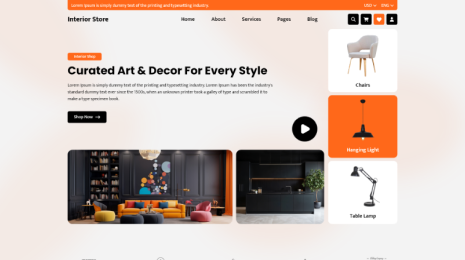
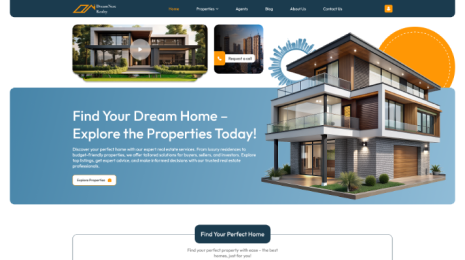
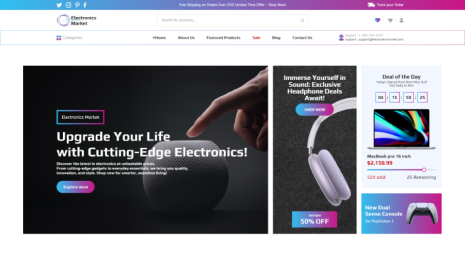
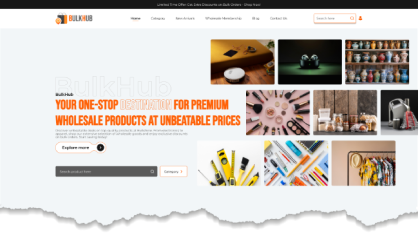
For example, you might place a featured section at the top to highlight popular products, seasonal collections, or discounted items. Promotional banners announcing free shipping, bundle deals, or limited-time offers can also be added to capture interest right away. Using a WordPress Theme Bundle can further enhance these layouts by providing pre-designed sections and flexible customization options. Rotating product sections allow you to update highlights regularly without redesigning the page each time.
This approach not only improves visibility for priority products but also helps guide shoppers toward high-value purchases.
4. Strengthen Brand Identity and Trust
A customized Shop page gives your store a distinct personality rather than relying on a generic template. Matching colors, typography, button styles, and layout elements with your overall brand design creates a consistent visual experience across your site.
Personalization also builds credibility. Adding customer ratings, testimonials, or trust badges reassures visitors that your products are reliable and worth buying. Small design touches, like hover effects, custom icons, or styled product cards, can make your store feel more polished and professional.
When your Shop page reflects your brand’s identity and values, it leaves a stronger impression and helps customers remember your store long after they leave.
How to Customize WooCommerce Shop Page For Ecommerce Site
Start with the simplest method available inside WooCommerce.
1. Use the Built-in WooCommerce Customizer

WordPress comes with a simple visual editor called the Customizer that lets you tweak key elements of your store without touching code. You can open it by going to Appearance → Customize → WooCommerce in your dashboard.
Here’s what you can change inside the Customizer:
- Display announcements: Add a banner-style notice that appears across your site, perfect for promotions, free-shipping messages, or new arrival alerts.
- Control what shows on your shop page: Decide if visitors see categories, products, or both. You can also change how the products are sorted, like by popularity, rating, price, or newest items.
- Resize product photos: Adjust the way product thumbnails look (square, custom ratio, or uncropped) so your shop has the visual style you want.
This method is ideal for quick, basic changes that don’t require editing templates or blocks. These simple adjustments help you refine your WooCommerce shop page appearance without technical effort while keeping your storefront clean, user-friendly, and aligned with your branding goals. It also makes it easier to add WooCommerce Buy Now button functionality, allowing customers to skip the cart and proceed directly to checkout, which improves conversions and creates a faster, more streamlined shopping experience.
For even better design flexibility and advanced customization options, you can explore Premium WordPress Themes.
2. Edit the Shop Page Layout with the Block Editor

If your WordPress theme supports blocks (sometimes called a block theme), you can fully redesign your shop layout using the Site Editor.
How it works:
Go to Appearance → Editor and choose to edit templates.
Select the Product Catalog template, this controls what your shop page looks like.
In the editor, you’ll see the header and footer plus the product grid. You can add new blocks above or below that grid, like banners, featured products, testimonials, or custom layouts.
There are special WooCommerce blocks for showing things like bestsellers, top-rated products, product filters, and more.
This method gives you a lot more creative control using visual tools rather than menus. Using these tools lets you structure your woocommerce shop page creatively, improving navigation flow, highlighting key products, and delivering a more engaging shopping experience for visitors.
3. Extend with WooCommerce-Specific Plugins

For advanced shop page features, WooCommerce has extensions (plugins) that plug right into your store.
Examples of helpful add-ons:
- Product filter tools: Let customers narrow results by things like price, category, ratings, or color without reloading the page.
- Quick View buttons: Allow shoppers to open a product preview directly from the shop page so they can view details and add to cart without navigating away.
- Visual labels: Show custom badges like “New”, “Sale”, or “Best Seller” on your listings to draw attention.
- Product tables: List items in a table format, useful for wholesale sites or stores where customers buy many items at once.
Plugins play a crucial role when it comes to using the best WooCommerce tools for your online store. They provide specialized enhancements that go far beyond default settings, allowing you to add advanced features, improve usability, and streamline the shopping experience. With the right WooCommerce extensions, your shop page becomes more interactive, conversion-focused, and better aligned with your audience’s browsing behavior and purchasing preferences, ultimately helping you increase engagement, boost sales, and create a more personalized eCommerce experience.
4. Customize Using Code (for Advanced Users)
If you know PHP and WordPress development, you can fine-tune your shop page more deeply by hooking into WooCommerce template actions.
You can:
- Remove the result count or default sort dropdown.
- Change how many products display in each row.
- Rearrange elements such as moving titles above images.
- Use custom CSS to style prices, borders, or other layout parts.
When working with code, always back up your site first and use a child theme or code snippets plugin so your changes persist through updates. These techniques allow you to fully control your woocommerce shop page design, functionality, and performance while implementing highly customized features suited to your store strategy.
Wrapping Up
Customizing your store layout is one of the most effective ways to improve usability, increase engagement, and drive more sales. By adjusting layout elements, adding filters, showcasing featured products, and refining design details, you can transform a basic storefront into a focused shopping experience tailored to your audience. Whether you choose simple built-in options, block editor tools, plugins, or code-level changes, each method offers unique advantages depending on your goals and technical comfort level. The key is to align your design choices with how your customers browse and buy.
When your woocommerce shop page is structured for clarity, speed, and visual appeal, it not only looks professional but also encourages visitors to stay longer, explore more products, and complete their purchases with confidence.
FAQs
1. Can I customize my WooCommerce shop page without coding?
Yes, you can customize it using built-in WooCommerce settings, the WordPress Customizer, or the Block Editor. These tools let you adjust layouts, product displays, sorting options, and visual elements without any technical knowledge.
2. What is the easiest way to change the shop layout?
The simplest method is using Appearance → Customize or the Site Editor. These options provide visual controls so you can rearrange sections, add banners, or adjust product grids quickly.
3. Will customization affect my site speed?
Customization can affect your site speed if it involves heavy plugins, large images, or extra scripts. However, basic design edits usually don’t slow down your website. To maintain performance, use lightweight tools and a WordPress Image Optimizer to compress images and keep your site fast and responsive.
4. Can I show featured products at the top of my shop page?
Yes, you can highlight featured items using WooCommerce blocks, widgets, or plugins. This helps draw attention to promotions, popular products, or seasonal collections.
5. Is it safe to customize using code?
Yes, but only if you use a child theme or a code snippets plugin and back up your site first. This ensures your changes remain safe during updates and prevents accidental layout issues.
Blogs Categories
Podcast WordPress Theme (Audio Podcast 2.0)

Latest WordPress Themes











Buy All our Premium Themes just at $119
